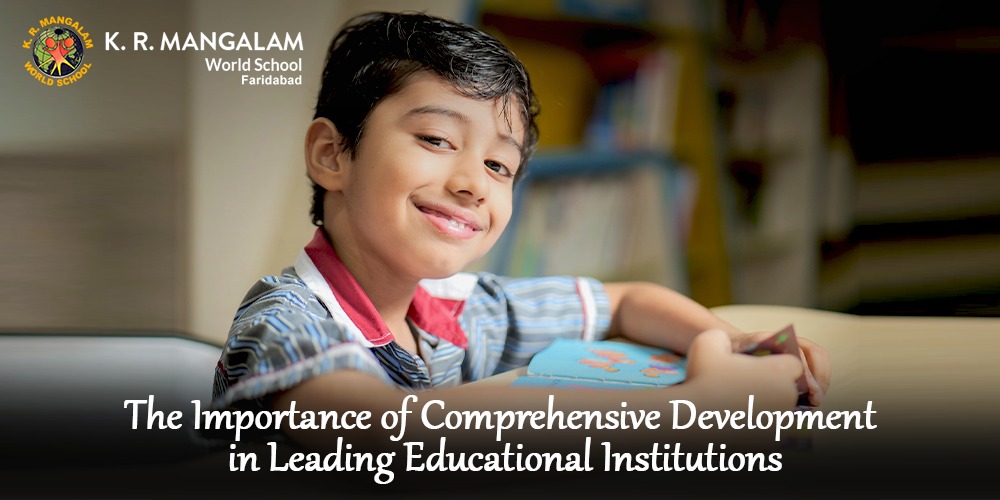
The Importance of Comprehensive Development in Leading Educational Institutions
Introduction:
At KR Mangalam World School, the best options for the child’s education, parents today are looking beyond academic rankings in their search for Good Schools in Faridabad. The definition of educational excellence has expanded, now including emotional intelligence, creativity, leadership, character development, social awareness, and physical wellness. Modern schools are focusing on comprehensive development, ensuring that students are not only academically successful but also equipped to thrive personally, socially, and professionally in a constantly evolving world.
Educational institutions that focus on holistic development understand one simple truth: a child’s future depends as much on values, confidence, mental well-being, and adaptability as it does on subject knowledge. By nurturing the whole child, schools create empowered individuals ready to face real-world challenges with clarity and purpose.
About Us:
At K.R. Mangalam World School Faridabad, we believe true education means nurturing the mind, body and soul together. While our CBSE curriculum builds strong academic foundations, equally important is our emphasis on extracurricular learning that promotes creativity, confidence and physical wellness. Students engage in sports like basketball, skating, yoga and martial arts to develop resilience and teamwork, while performing arts, painting, music and theatre cultivate emotional expression and imagination. Platforms such as debates, MUNs, Olympiads, science exhibitions and stage performances sharpen leadership, communication and problem-solving skills. Community initiatives and value-based assemblies encourage empathy and social consciousness. Our STREAM approach integrates academics with hands-on activities, allowing children to think beyond textbooks and adapt to real-life challenges. Through teacher mentorship and individualized attention, students are guided to identify their strengths and grow holistically.
Understanding Comprehensive Development
Comprehensive development represents an integrated educational approach where learning encompasses intellectual growth, emotional well-being, physical fitness, social responsibility, moral integrity, creativity, and leadership preparation. Institutions commonly recognized among the Schools weave academics with co-curricular programs to ensure every learner experiences balanced growth.
Rather than separating “studies” from “activities,” these schools combine curriculum learning with:
- Structured sports training
- Performing and visual arts programs
- Leadership councils
- Character-education initiatives
- Emotional wellness mentoring
- Community service projects
This blend ensures children develop resilience, confidence, creative thinking, decision-making skills, and strong moral grounding—all essential qualities for success beyond academics.
Academic Excellence as a Strong Foundation
While holistic growth includes many elements, academic mastery remains central to comprehensive development. Schools adopt student-centered teaching models where concepts move beyond rote memorization into experiential learning.
Instructional methods include:
- Project-based learning
- Collaborative discussions
- Real-world problem solving
- Inquiry-led exploration
Students learn to analyze rather than memorize. This deep understanding fosters curiosity and intellectual independence—key components for long-term academic success. Continual assessment replaces exam stress with consistent feedback systems that foster gradual improvement.
Institutions recognized among the Good Schools use academic structure not as pressure but as guidance—helping students gain competence and confidence step by step.
Emotional Wellness and Mental Strength
Emotional intelligence plays an essential role in personal success. Schools increasingly integrate mental wellness programs that teach self-regulation, empathy, positive communication, and stress management.
Students benefit from:
- Counseling services
- Value reflection sessions
- Mindfulness and self-awareness workshops
- Safe classroom discussions
Such practices reduce anxiety, enhance focus, and improve interpersonal relationships. Children learn to understand their own emotions while respecting others—nurturing compassion and emotional maturity.
When emotional stability develops alongside intellectual growth, students feel motivated rather than overwhelmed. Happiness becomes part of learning rather than separate from it.
Physical Development and Sportsmanship
Physical fitness directly supports mental clarity, emotional resilience, and discipline. Leading educational institutions integrate structured sports programs:
- Athletics training
- Martial arts modules
- Yoga and wellness sessions
- Competitive team sports
Sports participation teaches perseverance, teamwork, leadership under pressure, time management, and resilience following setbacks. Schools ranked among the Schools encourage sports for all students—not only for winning medals but for developing healthy habits and confidence.
Fitness strengthens not only the body but also qualities essential for emotional strength and personal leadership.
Creativity Through Art and Culture
Creative development enriches emotional expression while strengthening cognitive skills. Schools promote artistic exploration through:
- Dance, music, and theatre programs
- Visual arts workshops
- Creative writing clubs
- Cultural exhibitions
Students express emotions creatively, discover personal interests, enhance communication confidence, and cultivate imagination. Artistic engagement fosters emotional happiness while expanding intellectual cognition through performance and design projects.
Creativity also nurtures problem-solving, original thinking, and self-expression skills—qualities valued across academic, social, and professional domains.
Leadership and Personality Development
Leadership is developed through responsibility and practice. Progressive schools offer structured leadership platforms including:
- Student councils
- House leadership programs
- Event coordination committees
- Peer mentorship systems
Leadership programs enable students to sharpen public speaking abilities, conflict resolution strategies, teamwork skills, and ethical responsibility.
Children gain confidence in decision-making while learning to listen and collaborate. Such opportunities nurture self-esteem and prepare students to become purposeful leaders across diverse fields.
Institutions recognized among the Good Schools understand that leadership isn’t taught—it is lived through experience.
Discipline Through Balanced Structure
Comprehensive development requires disciplined routines integrated with creative freedom. Schools maintain balance by synchronizing academics, arts, sports, social activity, and wellness sessions within structured schedules.
Students learn:
- Time-management skills
- Responsibility ownership
- Academic-task prioritization
- Long-term goal setting
Structure without rigidity allows discipline to grow naturally rather than through strict enforcement.
Children developmentally thrive when they understand expectations clearly while being empowered to express individuality within defined frameworks.
Technology Integration for Future Readiness
Technology literacy is critical in shaping young leaders. Schools integrate technology thoughtfully via:
- Smart classroom learning
- Digital research modules
- Project presentations through audio-visual platforms
- Online collaboration activities
Technology use remains balanced to prevent screen overexposure, ensuring digital literacy supports creativity and analytical thinking without impacting emotional health.
The purpose remains not technological dependency—but digital empowerment.
Moral Values and Social Responsibility
True education prepares socially compassionate individuals. Schools incorporate community engagement through:
- Charity initiatives
- Environmental awareness projects
- Recycling campaigns
- Local service collaborations
Through hands-on community contributions, students develop empathy, leadership responsibility, and ethical consciousness.
Values education embeds integrity, kindness, respect, accountability, and service ethics into daily learning—not as moral lectures but through lived experiences.
This moral compass becomes an internal guide shaping students’ lifelong personal and professional choices.
Parent Partnership in Comprehensive Development
Balanced child development flourishes when educators and parents collaborate. Schools foster family involvement via:
- Parent counseling meetings
- Emotional wellness discussions
- Learning strategy workshops
Parent participation strengthens home-school alignment, reinforcing academic routines and emotional stability outside classrooms.
Healthy partnerships enhance students’ confidence and holistic growth.
Preparing Students for Life Beyond Classrooms
The real world demands emotionally strong problem-solvers capable of innovation, teamwork, ethical judgment, and creative thought—qualities cultivated through holistic development frameworks.
Students educated within institutions acknowledged among the Good Schools thrive beyond academics by demonstrating compassion, leadership, adaptability, discipline, communication strength, emotional insight, and creative problem-solving skills.
Conclusion:
Education today must nurture the complete human being, not only exam achievers. Comprehensive development shapes confident scholars into purposeful leaders—equipped with emotional intelligence, creativity, resilience, athletic ethics, technical knowledge, and moral direction.
For parents exploring Good Schools, true excellence lies in institutions that design learning environments promoting balanced growth rather than academic pressure alone.
FAQs:
Q. 1 What is comprehensive development in schools?
Ans. Balanced growth of mind, body, emotions, creativity, leadership, and values.
Q. 2 Why is holistic education important today?
Ans. It prepares students for real-world challenges beyond academics alone.
Q. 3 How does K R Mangalam School support holistic development?
Ans. By blending academics with sports, arts, leadership training, emotional mentoring, and social service.
Q. 4 How do extracurriculars support personality growth?
Ans. They build teamwork, creativity, confidence, and communication skills.
Q. 5 What role does emotional learning play?
Ans. It strengthens empathy, self-control, mental wellness, and relationships.
Q. 6 Can holistic development boost academic success?
Ans. Yes, emotionally confident students perform better academically and socially.